(804) 719-3807

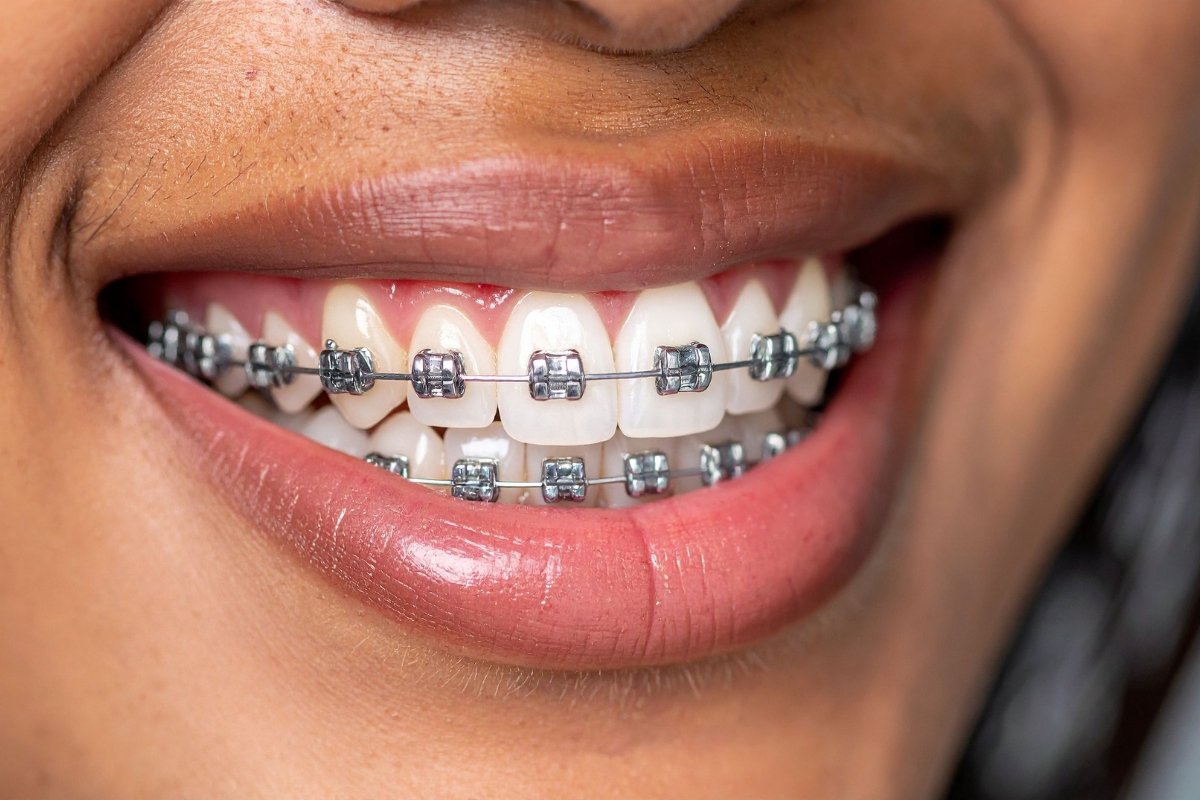
With metal braces, it’s not so much about having a better smile – it’s also about managing the discomfort in between. For many, having a beautiful smile can be riddled with moments of frustration, but don’t fret, you’re not alone. Whether you’re getting braces for the first time or learning to live with them, it is important to be aware of the regular discomforts associated with metal braces and learn how to overcome them effectively.
What Are the Common Discomforts with Metal Braces?
It’s completely natural to get some pain after you get metal braces, and when you come back for follow-up adjustments. The pain can be mild to severe, but most people report it as more of an annoyance than a painful sensation. Here are the main discomforts you can expect with metal braces:
Soreness in Your Mouth
After your braces are in place, you can experience some pain or soreness in your gums and cheeks. This is because the wires and brackets rub against the soft tissues of your mouth.
Pressure on Your Teeth
As your teeth start moving into position using the braces, you’ll have pressure all day long. Pressure is what gives you discomfort, especially following an adjustment when your orthodontist adjusts the wires to push your teeth a little bit further.
Mouth Sores
Mouth sores might be present with braces now and then, especially if the wires or the brackets rub against the insides of your lips or cheeks. This pain is normal.
Difficulty Eating
Initially, it is uncomfortable to wear braces, with some foods being difficult to chew. The pressure on your teeth is uncomfortable to chew with, especially with hard or sticky foods.
How to Get Rid of the Discomforts of Metal Braces
Though the inconvenience of metal braces may become overwhelming at first, there are efficient means of alleviating them so that they will not disrupt your lifestyle. What follows are some useful tips on how to alleviate the inconveniences of metal braces:
1. Apply Orthodontic Wax
One of the most effective methods to prevent sores and irritation caused by the brackets is through the use of orthodontic wax. The simple, gentle wax can be applied directly to the irritating brackets, protecting them with a smooth surface that will not cut on the inside of your mouth.
2. Rinse with Salt Water
Rinsing your mouth with warm salt water soothes sore cheeks and gums. Salt water has natural healing agents that assist in reducing swelling and improving the healing of the infected tissues.
3. Pain Relief Medication
Pressure and pain that feel like pain should be relieved with over-the-counter pain relief medication. Ibuprofen or acetaminophen will get you through the initial pain, especially after adjustments.
4. Soft Foods Are Your Friend
When you’re first adjusting to your braces, it’s a good idea to stick with soft foods that are easier to chew. Soups, mashed potatoes, yogurt, and smoothies are great choices that won’t put extra pressure on your teeth and gums.
5. Cold Compress for Swelling
If you experience swelling or inflammation in your gums, you can relieve the swelling by using a cold compress on your cheeks. A cold compress offers instant relief from pain.
6. Practice Good Oral Hygiene
Braces require routine attention when it comes to oral hygiene. Be sure to brush between meals so that food doesn’t stick between your teeth and brackets and cause more discomfort and irritation. Don’t forget flossing between your teeth and around your braces to remove food particles.
7. Regular Check-Ups
To avoid excessive discomfort, ensure you are maintaining your regular orthodontic appointments. These appointments help both you and your orthodontist monitor the performance of your braces and make adjustments that will minimize discomfort in the future.
When to See Your Orthodontist
Although discomfort is a normal occurrence, some situations require the help of your orthodontist. If you experience any of the following, make sure to schedule an appointment:
- When the brackets or wires chafe, causing irritation or injury.
- If the discomfort becomes too much, even after using home remedies.
- If you notice any unusual changes in your mouth or teeth that seem concerning.
Metal bracing discomfort is totally normal, but with a little patience and routine home oral care, you can easily take care of the irritation. Use these suggestions to reduce your discomfort and stay positive as you achieve a healthier, prettier smile.
Contact us at Best Smiles Ortho for customized dental care and professional guidance on how to make your orthodontic treatment comfortable.