Request Appointment

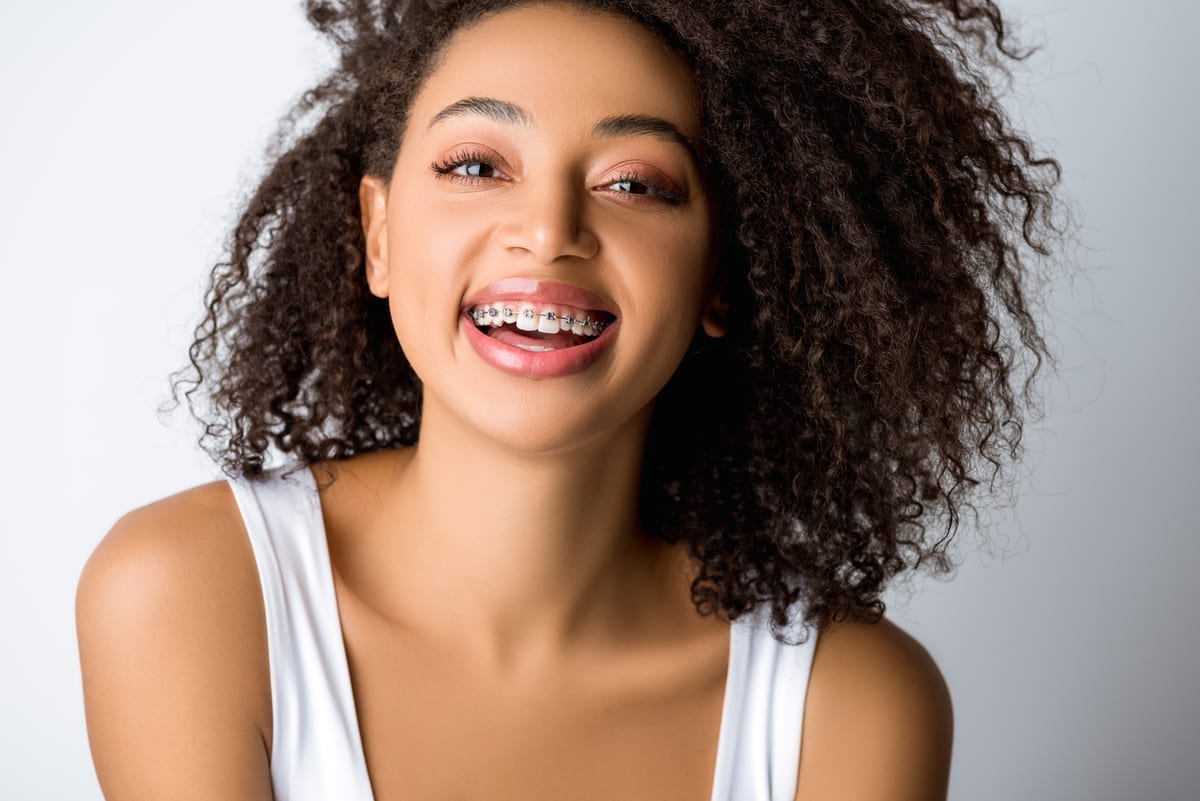
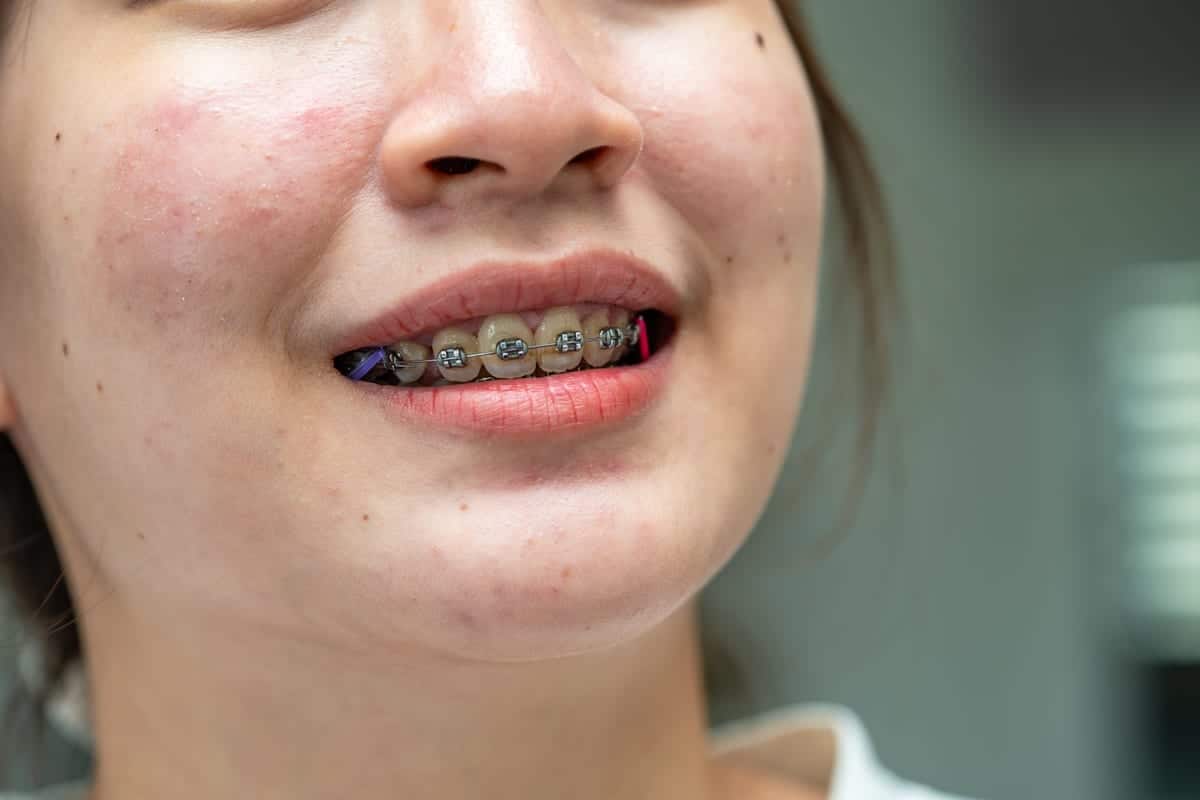
You spent months wearing braces and finally got them off. Your smile looks amazing. But now you’re wondering: do your braces results really last forever in Short Pump? The honest answer is — it depends. Results can last a lifetime with the right habits. Without proper maintenance, teeth can shift back faster than you’d expect.
At Best Smiles Glen Allen, Dr. Rhina Marquez helps patients understand what keeps their results stable long-term. This guide breaks down what affects longevity and what you can do about it.
Why Braces Results Don’t Always Last Forever in Short Pump
Teeth are never truly fixed in place permanently. They sit in soft tissue and bone that responds to pressure over time. Even after braces, natural forces continue acting on your teeth. This is why some shifting is completely normal after treatment ends.
Your bite, jaw growth, and everyday habits all influence how long results hold. Age also plays a role — bone density and gum tissue change over decades. Patients who understand these factors are better equipped to protect their investment.
Common reasons results fade include:
- Not wearing a retainer consistently
- Teeth grinding or clenching at night
- Wisdom teeth erupting and pushing other teeth
- Gum disease weakening tooth support structures
- Natural jaw changes over time
Knowing your risks helps you take action early. Dr. Marquez reviews these factors with every patient after treatment concludes.
The Role of Retainers in Long-Term Braces Longevity
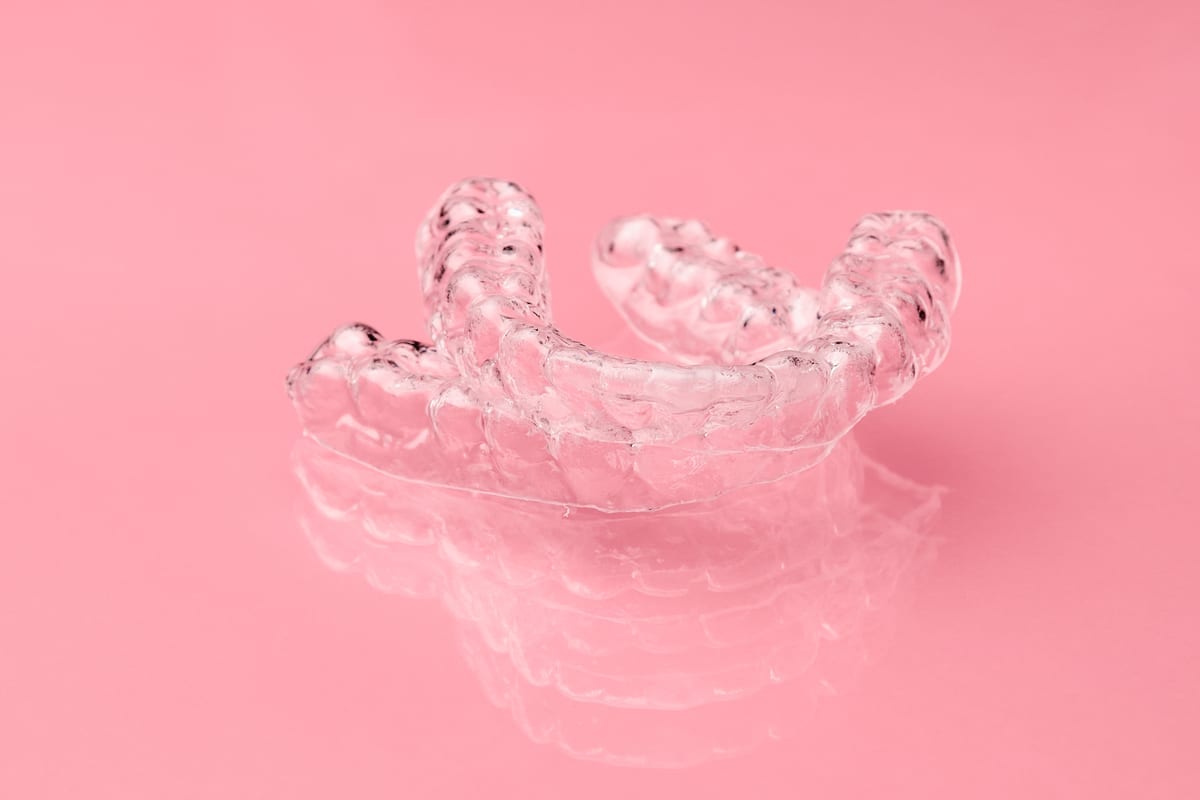
Retainers are the single most important factor in keeping your results. They hold teeth in position while bone and tissue solidify around them. Skipping your retainer — even for a few weeks — can allow shifting to begin.
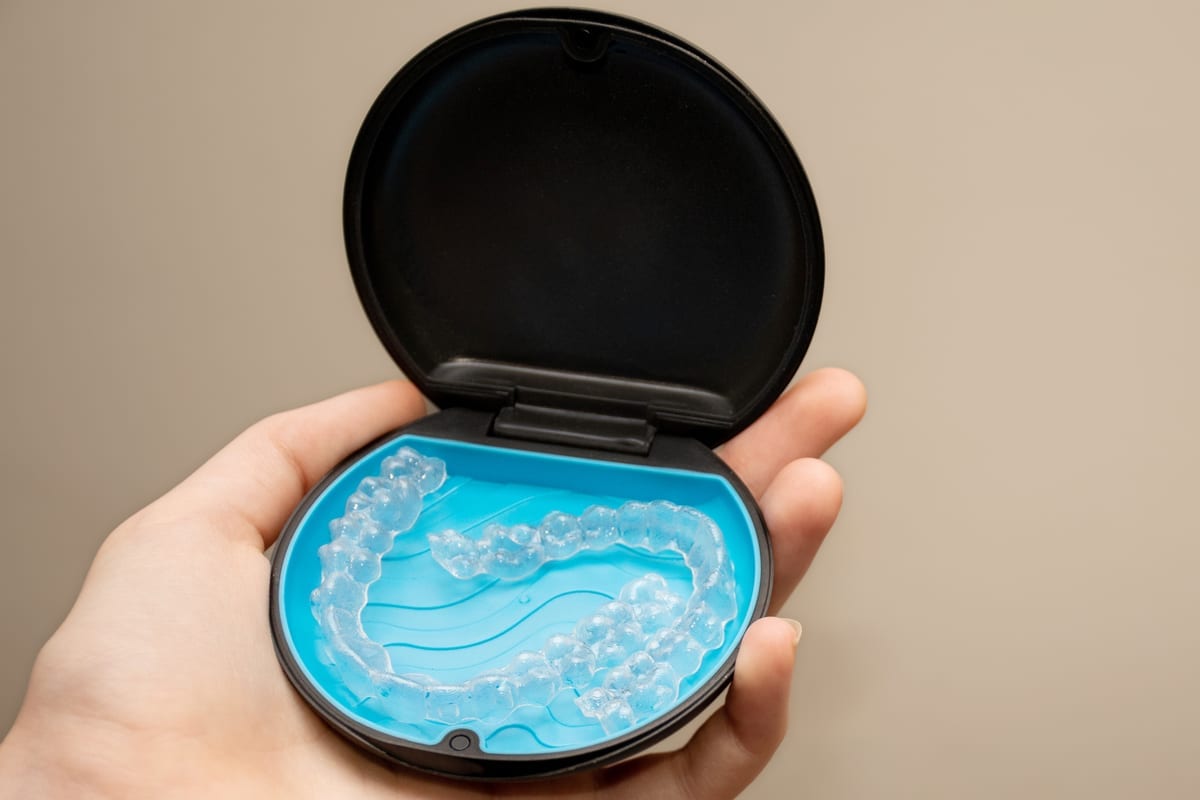
There are two main retainer types. Removable retainers are worn nightly and easy to maintain. Fixed or bonded retainers attach behind your teeth and work around the clock without any effort from you.
Dr. Marquez typically recommends wearing removable retainers every night indefinitely. Many patients assume they can stop after a year or two. That assumption is one of the most common reasons adults experience relapse.
Benefits of consistent retainer use include:
- Prevents unwanted tooth movement
- Protects your orthodontic investment long-term
- Reduces the need for retreatment later
- Keeps spacing and alignment intact
- Supports healthy bite function
Your retainer is a small daily habit with a huge long-term payoff. Treat it as non-negotiable, not optional.
How Invisalign and Clear Aligners Compare for Lasting Results
Many Short Pump patients ask whether Invisalign FAQs reveal any differences in how long clear aligner results last versus traditional braces. The good news is that retention requirements are essentially the same for both. Both treatments move teeth using controlled pressure over time. Both require retainers to preserve those results afterward.
Clear aligners have grown in popularity across Glen Allen and Short Pump for good reasons. They are discreet, removable, and comfortable for most patients. For more on how the process works, explore our Invisalign Info page.
What matters most — regardless of treatment type — is the commitment after treatment ends. Results from braces or aligners are equally durable when patients follow through with retention. Skipping that step creates the same relapse risk for both methods.
Habits That Shorten Your Results and What to Do Instead
Certain daily habits quietly work against your alignment over time. Teeth grinding, called bruxism, puts enormous force on teeth. That force can gradually shift your bite even with a retainer in place. A night guard can protect against grinding damage.
Poor oral hygiene contributes to gum disease. Gum disease weakens the bone that anchors teeth. Teeth in weakened bone are far more likely to drift or tilt. Brushing and flossing daily protects both your gum health and your alignment.
Avoiding sticky or hard foods matters too. These foods can damage bonded retainers or stress your bite. If a bonded retainer breaks and goes unnoticed, teeth can shift quickly without you realizing it.
Regular dental checkups allow Dr. Marquez’s team to catch small changes early. Early intervention is far simpler and less costly than full retreatment. Short Pump patients who visit consistently maintain better long-term outcomes.
What Ongoing Maintenance Really Looks Like
Maintenance is straightforward once it becomes routine. Most patients need a retainer check once or twice per year. These quick visits confirm your retainer still fits correctly and your alignment has remained stable.
If your retainer feels tight after a break, wear it more consistently before assuming you need retreatment. Mild tightness often resolves with consistent nightly use. Significant shifting, however, may require evaluation for a new retainer or additional treatment.
Think of your post-braces routine like maintaining a car. Small, consistent upkeep prevents big problems. Neglect leads to larger repairs that take more time and resources to fix.
Dr. Rhina Marquez and the Best Smiles Glen Allen team support patients at every stage — from active treatment through long-term retention. You never have to navigate the process alone.
Conclusion
So do your braces results really last forever in Short Pump? They absolutely can — with the right habits in place. Retainer compliance, routine dental visits, and protecting your bite all play critical roles. The work does not end when your braces come off. It simply shifts into a lighter, more manageable maintenance phase. If you are ready to protect your smile for the long haul, Book Now to schedule your appointment with our team.
Frequently Asked Questions
How long do braces results typically last?
Braces results can last a lifetime if you wear your retainer consistently and maintain good oral health. Without a retainer, teeth can begin shifting within weeks or months after treatment ends. Most orthodontists recommend nightly retainer wear indefinitely to protect your results.
Do I really need to wear my retainer forever?
For most patients, yes. Teeth are always subject to natural forces that cause gradual movement. Wearing your retainer nightly — even years after treatment — is the most reliable way to prevent relapse. Think of it as a permanent but simple part of your oral hygiene routine.
Can wisdom teeth affect my braces results?
Wisdom teeth can create pressure on nearby teeth as they erupt. This pressure may contribute to crowding or shifting in the front of your mouth. Dr. Marquez can monitor wisdom tooth development and advise whether removal is appropriate to protect your alignment.
What should I do if my teeth have shifted after braces?
Schedule a consultation as soon as you notice changes. Minor shifts caught early are often correctable with a new retainer. Significant relapse may require additional orthodontic treatment such as clear aligners or braces again. Acting quickly gives you more options and simpler solutions.
Is Invisalign better than braces for long-lasting results?
Neither treatment is inherently better for longevity. Both braces and Invisalign produce durable results when patients follow their retainer protocol afterward. The key factor is your commitment to retention, not the appliance used during active treatment.