Request Appointment


Completing your Invisalign Clear Braces treatment is a huge milestone. Your smile looks great, your aligners are done, and you feel confident. But here is the truth most patients in Glen Allen don’t expect: the journey isn’t quite finished yet. Retainers are the final — and perhaps most important — chapter of your orthodontic story.
At Best Smiles Glen Allen, Dr. Rhina Marquez sees it happen often. Patients complete treatment and assume the work is done. Then, months later, they notice their teeth shifting back. Understanding retention is the key to protecting every result you worked so hard to achieve.
Why Teeth Shift After Invisalign Treatment
Your teeth are not fixed permanently in your jawbone. They sit in a soft tissue called the periodontal ligament. This tissue has memory — it wants to return to where your teeth used to be. Orthodontists call this natural process orthodontic relapse.
During your Invisalign treatment, your aligners gradually repositioned each tooth. But the surrounding bone and ligaments need more time to fully stabilize. Without a retainer holding everything in place, those tissues pull your teeth back toward their original positions.
This is not a flaw in the treatment. It is simply how human biology works. Retention is the phase that locks in your results permanently. Skipping it undoes the investment you made in your smile.
What Happens If You Skip Your Retainer in Glen Allen
Patients sometimes underestimate how quickly teeth move. In the first few months after treatment, movement can happen surprisingly fast. Even a few weeks without your retainer can create noticeable changes.
Here is what many patients experience when they skip retention:
- Front teeth begin to crowd or overlap again
- Gaps that were closed start to reopen
- Bite alignment shifts gradually over time
- Spaces between teeth widen unexpectedly
- Overall smile symmetry diminishes
By the time most people notice the change, retreatment may be necessary. That means going through the alignment process all over again. Wearing your retainer consistently is far easier — and more affordable — than starting treatment twice.
Dr. Marquez often reminds Glen Allen patients: retainers are not optional accessories. They are a clinical necessity for maintaining your results long-term.
How Long Do You Actually Wear a Retainer?
This is one of the most common questions Dr. Marquez hears after Invisalign treatment. The honest answer? Retainer wear is a lifelong commitment — but it gets much easier over time.
Here is a general timeline most patients follow:
- Months 1–6: Wear your retainer full-time, typically 22 hours per day. Remove it only for eating and brushing.
- Months 6–12: Transition to nighttime-only wear, based on Dr. Marquez’s guidance.
- Year 2 and beyond: Most patients wear retainers nightly as a permanent habit.
Some patients eventually move to wearing retainers every other night. Dr. Marquez will evaluate your specific case and guide your schedule accordingly. Everyone’s teeth are different, and your retention plan should reflect that.
The key takeaway: the longer you wear your retainer consistently, the more stable your teeth become. Patients who commit early tend to need less frequent retainer use over time.
Types of Retainers: Which One Is Right for You?
Not all retainers are the same. Dr. Marquez at Best Smiles Glen Allen will recommend the best type based on your treatment and lifestyle. Understanding your options helps you make an informed decision.
There are two main categories of retainers used after Invisalign:
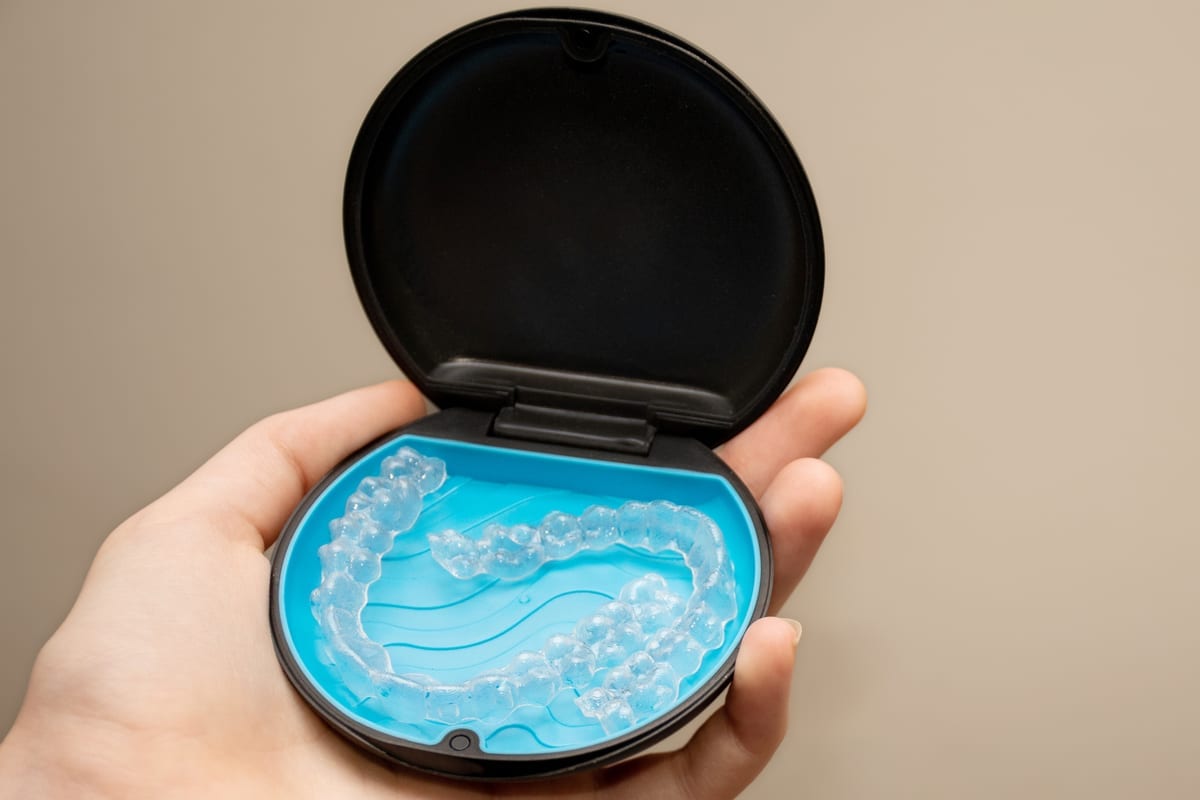
- Removable clear retainers: These look similar to Invisalign aligners. They are comfortable, nearly invisible, and easy to wear. Most Invisalign patients prefer this style because it feels familiar.
- Fixed (bonded) retainers: A thin wire is bonded to the back of your front teeth. You do not remove it. It works continuously without any effort on your part.
Some patients use a combination of both types. A fixed retainer handles the front teeth, while a clear retainer protects the overall bite. Dr. Marquez will explain which approach suits your situation best.
Whichever type you choose, the goal remains the same — keeping your teeth exactly where treatment placed them.
Caring for Your Retainer the Right Way
A retainer only works if you wear it and maintain it properly. Neglecting your retainer can affect both its effectiveness and your oral health. A few simple habits make a big difference.
Follow these care tips to keep your retainer in top condition:
- Rinse your retainer with cool water every time you remove it
- Clean it gently with a soft toothbrush and mild soap daily
- Avoid hot water — heat warps clear retainers permanently
- Store it in its case when not in use to prevent loss or damage
- Bring your retainer to every dental checkup for Dr. Marquez to inspect
Clear retainers do wear out over time. Most last one to three years with proper care. If your retainer feels loose, cracked, or uncomfortable, contact Best Smiles Glen Allen right away. Wearing a damaged retainer may do more harm than good.
Frequently Asked Questions
How soon after Invisalign do I need to start wearing a retainer?
You should begin wearing your retainer immediately after your final Invisalign aligner. Dr. Marquez will provide your retainer at your final appointment. Even one day without retention can allow slight movement to begin. Starting right away gives your teeth the best chance of staying in place.
Can I eat and drink with my retainer in?
You should remove your retainer before eating or drinking anything other than plain water. Food particles and beverages can stain or warp the retainer material. Always rinse your mouth before putting the retainer back in. This protects both the retainer and your dental hygiene.
What happens if I lose my retainer?
Contact Best Smiles Glen Allen as soon as possible if you lose your retainer. Do not wait and assume your teeth will stay in place on their own. The sooner you get a replacement, the less movement will occur. Dr. Marquez can have a new retainer made quickly to minimize any shifting.
Do retainers feel uncomfortable after Invisalign?
Most patients find retainers very comfortable because they are similar in feel to Invisalign aligners. There may be a slight tightness when you first put it in each night — that is normal. It usually means your teeth moved slightly during the day, which is common. Consistent nightly wear reduces that sensation over time.
Is retention the same for everyone after Invisalign?
No — retention plans are personalized based on each patient’s case. Factors like the complexity of your original alignment, your age, and your bone structure all play a role. Dr. Marquez evaluates each patient individually and adjusts recommendations over time. Following her specific guidance gives you the best long-term outcome.
Your smile is a long-term investment, and protecting it takes just a little daily commitment. Dr. Rhina Marquez and the team at Best Smiles Glen Allen are here to support every stage of your orthodontic journey — from your first aligner to lifelong retention. Book Now to schedule your appointment with our team.