Request Appointment

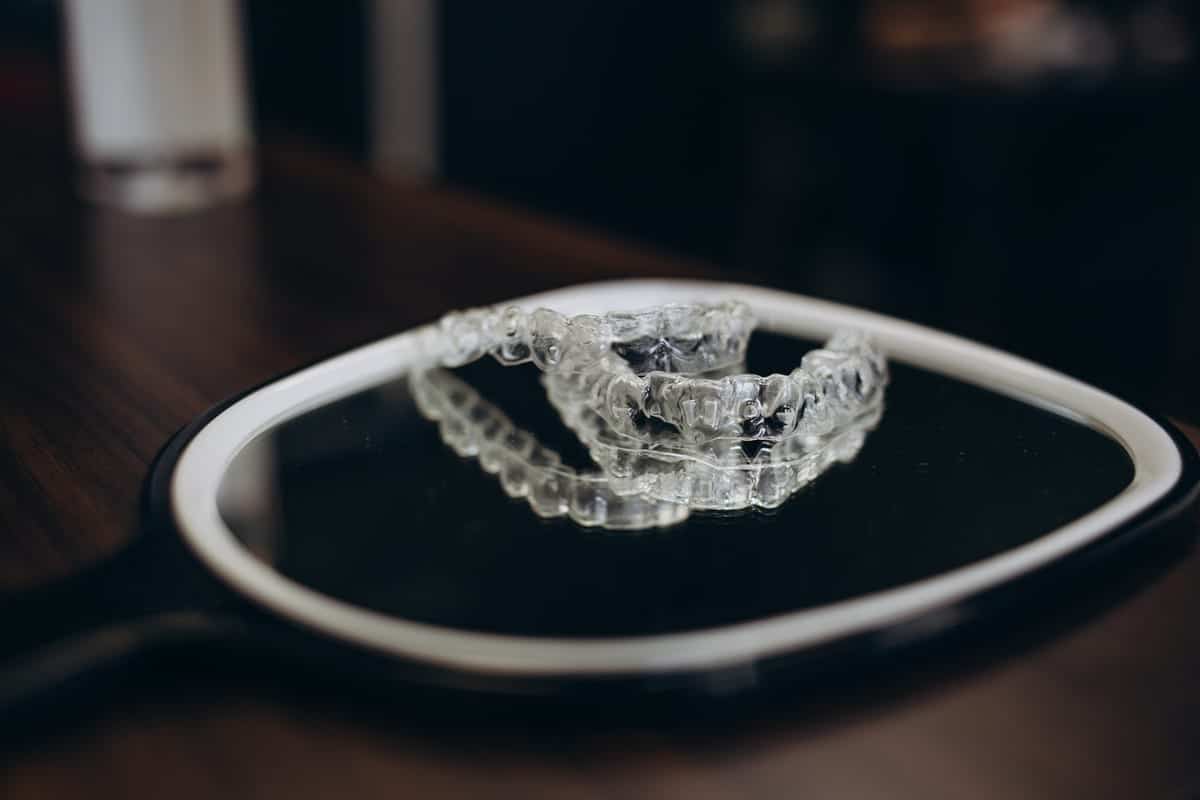
Have you ever wondered what actually happens inside your mouth during Invisalign treatment? Inside Invisalign, what happens every two weeks to straighten teeth in Glen Allen is a question Dr. Rhina Marquez hears often. The process is more precise than most patients expect. Understanding it helps you stay motivated and on track throughout your smile journey.
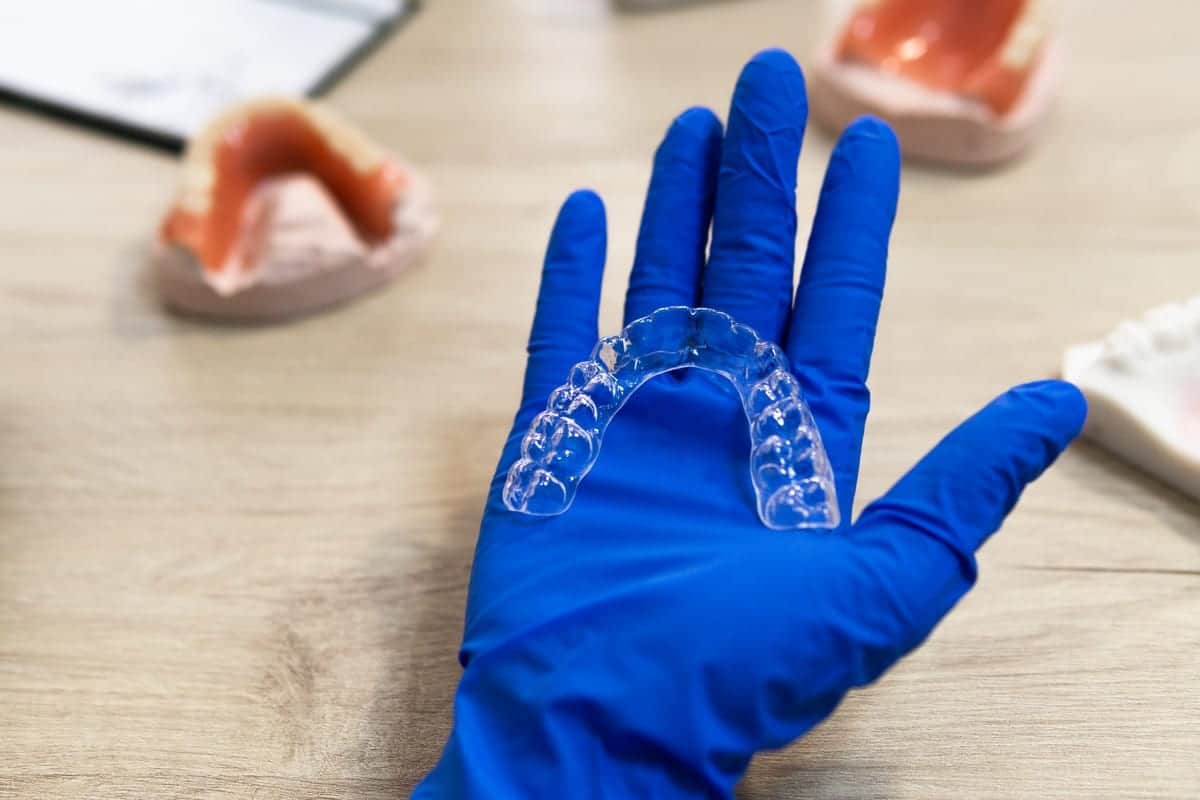
Invisalign uses a series of clear, custom-fit aligners. Each set applies gentle, targeted pressure to specific teeth. That pressure gradually shifts your teeth into a straighter position. The two-week aligner change schedule is not random — it is carefully engineered for safe, effective movement.
How Invisalign Moves Your Teeth Step by Step
Teeth do not move all at once. Invisalign moves them in small, controlled increments. Each aligner tray is slightly different from the last. That difference creates just enough pressure to begin shifting targeted teeth.
When you wear a new aligner, it fits tightly at first. That snug feeling means it is working. Your teeth begin to respond to the gentle force. Over about two weeks, the aligner fits more comfortably as your teeth adjust.
Then you switch to the next tray in your series. The process repeats with a new set of target movements. This cycle continues until your teeth reach their final, planned position. Every tray brings you one step closer to your goal.
Here is how the movement cycle works in simple terms:
- New aligner is placed — it fits snugly and applies gentle pressure
- Teeth respond by gradually shifting over 10–14 days
- Bone tissue around the tooth root remodels to support the new position
- The aligner fits comfortably by the end of the two-week period
- You switch to the next aligner and the cycle begins again
Why the Two-Week Schedule Matters for Orthodontic Treatment Glen Allen
The two-week schedule is not just a guideline — it is essential to the treatment plan. Switching too early does not allow enough bone remodeling to occur. Switching too late slows your overall progress. Orthodontic Treatment Glen Allen patients are advised to follow this schedule closely for the best results.
Dr. Rhina Marquez designs each patient’s aligner sequence using advanced 3D imaging software. That software maps out every tooth movement in advance. Each tray is fabricated to move specific teeth by fractions of a millimeter. The precision is remarkable — and it is what makes Invisalign so effective.
Wearing your aligners at least 20–22 hours per day is also critical. Removing them too often disrupts the pressure needed for movement. Consistent wear keeps your teeth progressing on schedule. Skipping hours means skipping progress.
What Are Attachments and Why Do Some Patients Need Them?
Some tooth movements are more complex than others. Rotations, vertical shifts, and root movements require extra help. That is where attachments come in. Attachments are small, tooth-colored dots bonded to certain teeth.
These tiny bumps give the aligner something to grip. They allow the aligner to apply force in more precise directions. Without attachments, some movements simply would not be possible with clear aligners alone. Not every patient needs them, but many do.
Attachments are placed during an early appointment at our Glen Allen office. They blend in with your natural tooth color. Most people barely notice them once they get used to wearing their aligners. They are removed painlessly at the end of treatment.
Key facts about Invisalign attachments:
- Made from tooth-colored composite resin material
- Bonded to the surface of specific teeth — not all teeth
- Designed to improve the aligner’s grip and directional force
- Removed at the conclusion of your treatment with no damage to enamel
- May slightly increase visibility of aligners but remain discreet overall
Understanding Refinements: When Treatment Needs Fine-Tuning in Glen Allen
Most Invisalign patients complete their planned series of aligners successfully. However, teeth sometimes move slightly differently than predicted. When that happens, refinements are used. Refinements are an additional set of aligners created to finish the job.
Dr. Rhina Marquez takes new impressions or scans at your progress check. Those records are used to design a refined aligner series. This phase targets any remaining movement needed. It is a normal and expected part of comprehensive Invisalign care.
Refinements are not a sign that something went wrong. They simply reflect the natural variability in how teeth and bone respond. Even small gaps in final tooth position deserve correction. Refinements help ensure your smile looks exactly the way it was planned.
Patients from across Glen Allen, VA appreciate this level of detail and follow-through. At Best Smiles Glen Allen, About Us Glen Allen means a team that stays committed through every stage of your treatment — including refinements.
Tips to Stay on Track Between Aligner Changes
Your role in treatment is just as important as the science behind it. Following a few simple habits keeps your progress moving forward. Small daily choices add up to big results over time.
Here are practical tips to get the most from your Invisalign treatment:
- Wear aligners 20–22 hours every day without exception
- Remove aligners only to eat, drink anything other than water, and brush
- Clean aligners gently with a soft toothbrush and lukewarm water
- Store aligners in their case — never wrap them in a napkin
- Attend every scheduled progress appointment with Dr. Marquez
- Switch to your next tray on the day your care plan specifies
Keeping these habits consistent ensures each two-week cycle works as designed. Your aligners need time and consistent pressure to do their job. Treat your tray schedule the way you would any important health routine. Your future smile depends on it.
What to Expect at Your Progress Appointments
Dr. Marquez monitors your treatment at regular check-in visits. These appointments are typically every six to eight weeks. She reviews how your teeth have moved and compares progress to your treatment plan. Any adjustments to your schedule are made during these visits.
Progress appointments are usually quick and comfortable. There are no drills and no injections involved. Dr. Marquez may place or adjust attachments if needed. She also answers any questions you have about your current or upcoming aligner trays.
These visits are an important part of your overall care. They keep your treatment accurate and on pace. Missing appointments can delay your final results. Staying consistent with check-ins is just as important as wearing your aligners daily.
Conclusion: Your Smile Changes Two Weeks at a Time
Invisalign works through a brilliantly simple concept — steady, controlled, repeating pressure. Every two weeks, a new tray picks up where the last one left off. Attachments help when more complex movements are needed. Refinements ensure your final result is as perfect as planned.
Understanding the process makes it easier to stay committed through every stage. Glen Allen patients who follow their aligner schedule and attend regular visits with Dr. Rhina Marquez consistently achieve beautiful, lasting results. You are never just changing a tray — you are completing one more step in a carefully designed plan built just for your smile. Book Now to schedule your appointment with our team.
Frequently Asked Questions
How long does each Invisalign aligner tray stay in?
Most patients wear each tray for about 10 to 14 days before switching to the next one. Dr. Marquez will specify the exact timeline for your individual treatment plan. Following this schedule is essential for keeping your progress on track.
Will I feel pain when I switch to a new aligner tray?
Some mild soreness or pressure is normal for the first one to two days after switching trays. This discomfort is a sign that the aligners are working as intended. It typically fades quickly as your teeth begin to adjust to the new position.
What happens if I lose an aligner tray?
Contact Best Smiles Glen Allen as soon as possible if you lose a tray. Dr. Marquez may recommend wearing your previous tray temporarily or moving to the next tray early. Acting quickly helps prevent your teeth from shifting back out of position.
Do attachments hurt to place or remove?
Placing attachments is a quick, painless procedure. Dr. Marquez bonds small tooth-colored dots to specific teeth using composite resin. Removal at the end of treatment is equally comfortable and causes no damage to your tooth enamel.
How many total aligners will I need for my full treatment?
The total number of aligners varies depending on the complexity of your case. Some patients need as few as 20 trays while others may require 40 or more. Dr. Rhina Marquez will give you a personalized estimate during your initial consultation at our Glen Allen office.