Request Appointment

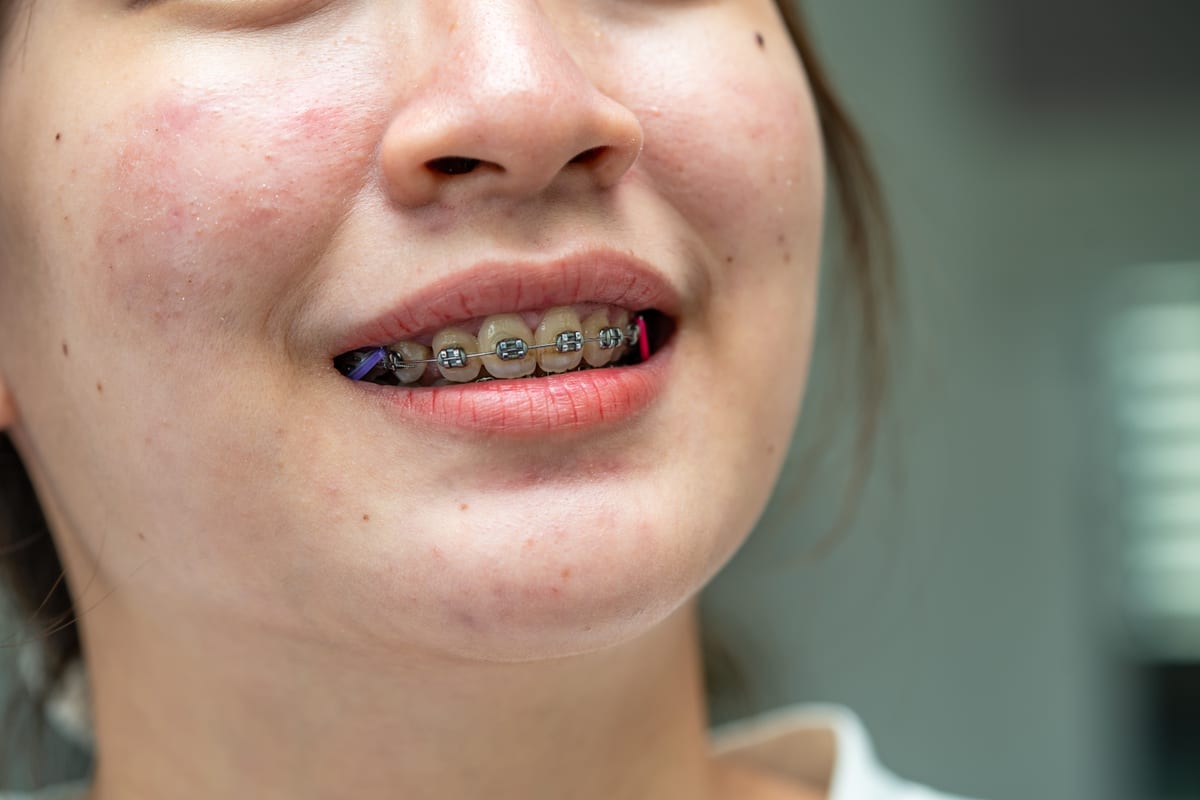
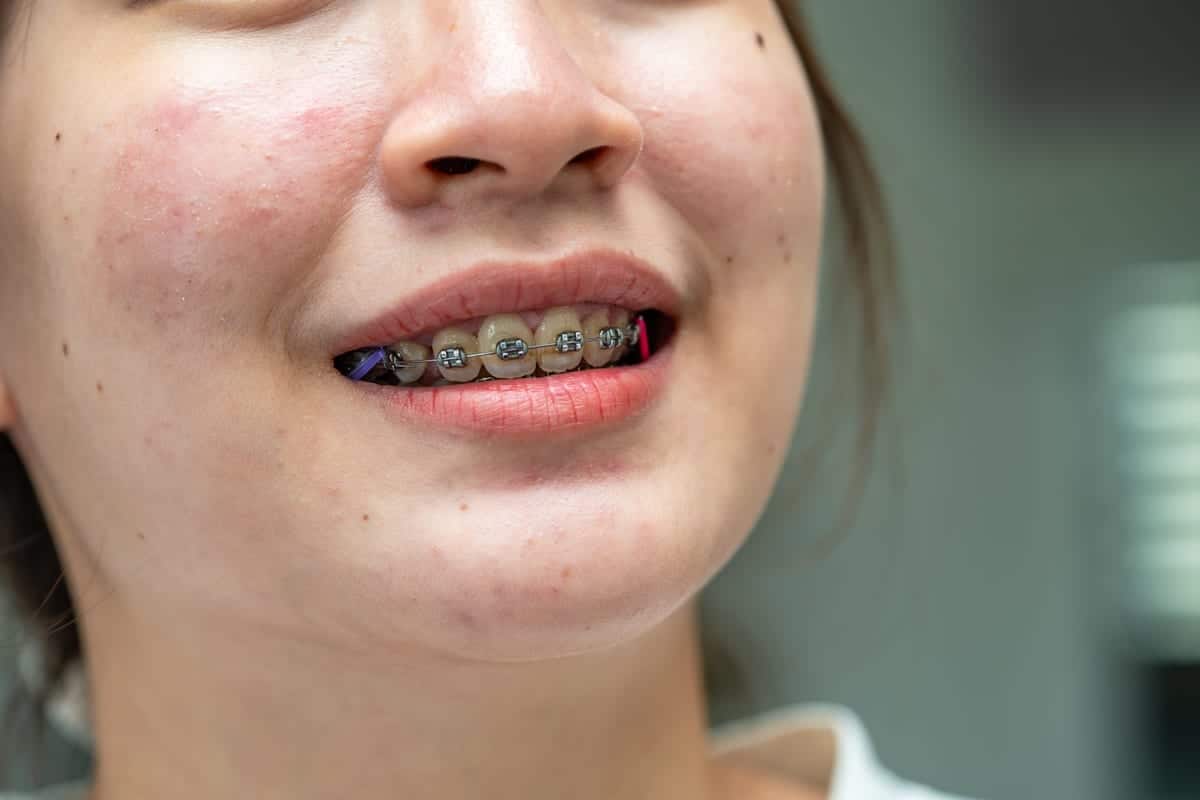
You finally finished braces. Your teeth look amazing. But now the big question arises — do straight teeth stay straight? Many patients in Wyndham ask this exact thing. The honest answer is: it depends. Understanding what affects your braces results in Wyndham helps you protect your investment for years to come. Dr. Rhina Marquez at Best Smiles Glen Allen sees this concern regularly, and education is the first step toward lasting results.
Why Teeth Move After Orthodontic Treatment
Teeth are not locked in place permanently. They sit in a living jawbone that continues to change throughout your life. Ligaments hold each tooth, and those ligaments have memory. After braces come off, they naturally want to pull teeth back toward their original position.
This process is called relapse. It happens to nearly everyone to some degree. The speed and severity of relapse vary from person to person. Your bone density, age, and genetics all play a role.
Younger patients tend to experience faster shifting because their bones are still developing. Adults face different challenges, including bone loss and gum changes over time. Neither group is immune to movement without proper retention habits in place.
The Biggest Factors That Shorten Your Braces Results in Wyndham
Several habits and conditions can work against your orthodontic results. Knowing these risks helps you avoid them proactively.
- Skipping your retainer — This is the number one cause of relapse after treatment ends.
- Wisdom teeth eruption — Emerging wisdom teeth can crowd the front teeth over time.
- Grinding and clenching — Also called bruxism, this puts uneven pressure on teeth and shifts them gradually.
- Gum disease or bone loss — Weakened support structures allow teeth to drift more easily.
- Natural aging — Jaw shape changes slightly as we age, affecting tooth alignment.
- Inconsistent dental care — Skipping cleanings lets plaque and tartar build up, harming the structures that hold teeth in place.
Residents of Wyndham lead busy lives. It can be tempting to skip retainer wear or dental visits. But consistent habits make the difference between a lasting smile and one that shifts back within months.
What Extends the Lifespan of Your Orthodontic Results
The good news is that you have significant control over how long your results last. Simple, consistent habits protect your smile for decades. Dr. Marquez coaches every patient at Best Smiles Glen Allen on these key practices.
Wearing your retainer as prescribed is the single most important step. Most patients start with nightly wear. Over time, some may transition to a few nights per week. Never stop wearing your retainer without talking to your orthodontist first.
- Wear your retainer consistently — Follow your orthodontist’s exact schedule without skipping nights.
- Attend regular checkups — Your provider monitors any early signs of shifting before they become major problems.
- Address grinding early — A custom night guard can protect teeth and retainers from the effects of bruxism.
- Maintain excellent oral hygiene — Strong gums and healthy bone provide better long-term support for straight teeth.
- Replace worn retainers promptly — A cracked or loose retainer does not hold teeth effectively.
Patients who commit to these habits consistently report far fewer alignment problems over the years. Small daily actions compound into long-term results you can be proud of.
Retainers Explained: Your Most Important Tool After Braces
A retainer is not optional. It is the direct continuation of your orthodontic care. Once braces or aligners come off, the bone around your teeth needs time to fully stabilize. That process takes months, sometimes longer.
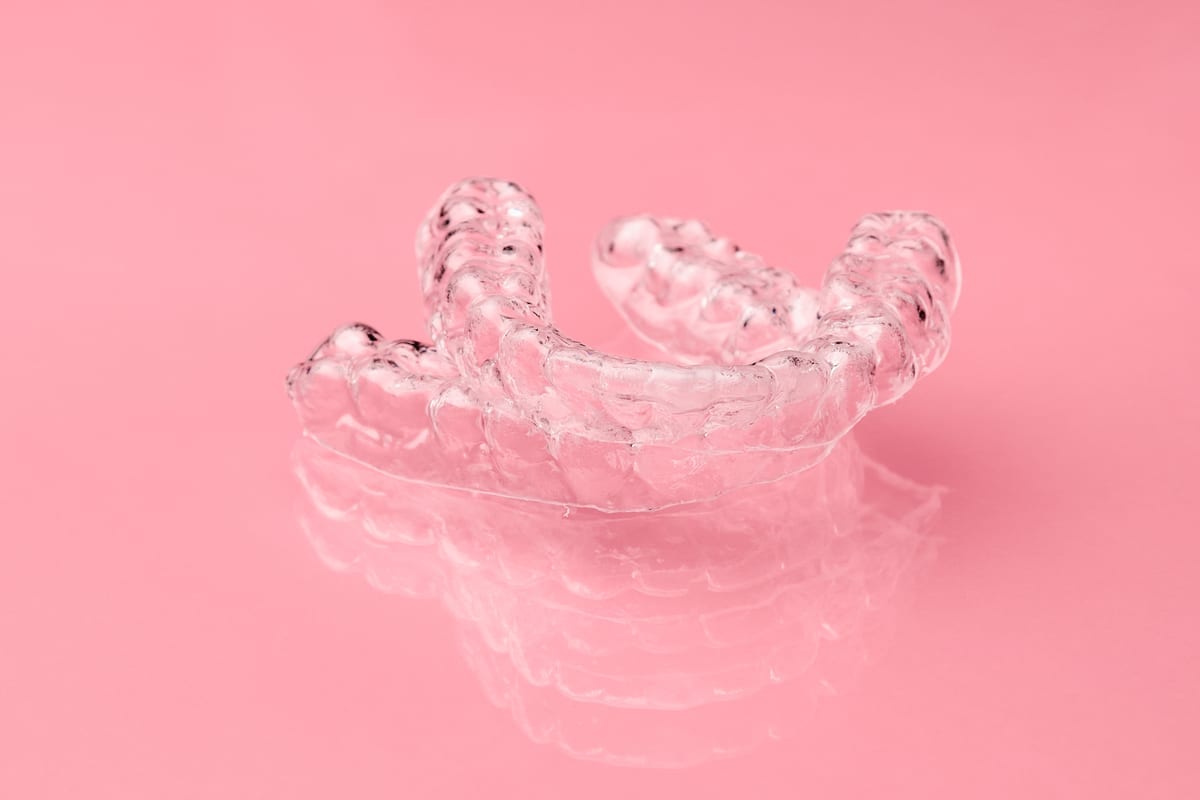
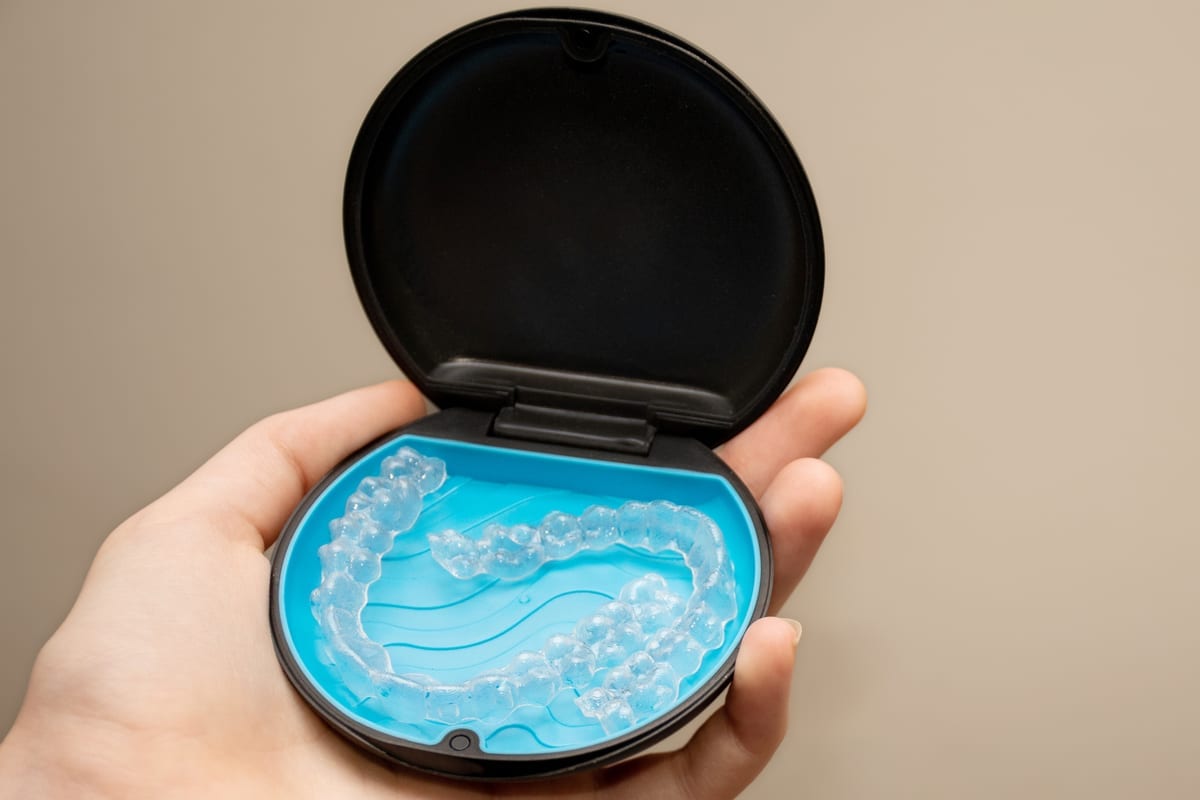
There are two main types of retainers. Removable retainers, like clear plastic trays or Hawley wire retainers, are taken out for eating and cleaning. Fixed retainers are thin wires bonded behind the front teeth and stay in place around the clock.
Many patients in Wyndham benefit from a combination approach. A fixed retainer holds the front teeth in position while a removable tray protects the overall arch. Your specific recommendation depends on your treatment history and bite.
If you had Invisalign Clear Braces, your last set of aligners may serve as temporary retainers. A formal retainer is still prescribed for long-term use. Ask Dr. Marquez what retention plan fits your specific case.
What to Do If Your Teeth Have Already Shifted
Some patients return to the orthodontist after noticing their teeth have moved. This situation is more common than most people realize. Do not feel embarrassed — it is a very fixable problem in most cases.
Minor relapse can sometimes be corrected with a new set of retainers or a short round of aligner trays. More significant shifting may require retreatment. Catching the problem early almost always means less time and effort to correct it.
If you have questions about your specific case, reviewing Invisalign Faqs is a helpful starting point. Scheduling a consultation with Dr. Marquez gives you a personalized answer based on your current alignment.
The key message is this: do not wait. Teeth continue to shift the longer they go without proper retention. Early action always leads to better outcomes and less extensive correction.
Conclusion: Protect the Smile You Worked For
Do straight teeth stay straight? Yes — but only with consistent effort after treatment ends. Your braces or aligners did the hard work of moving your teeth. Retention is what keeps them there for life. Small daily habits, regular checkups, and a good retainer routine make the biggest difference for Wyndham patients. Dr. Rhina Marquez and the team at Best Smiles Glen Allen are here to support every stage of your smile journey. Book Now to schedule your appointment with our team.
Frequently Asked Questions
How long do braces results last without a retainer?
Without a retainer, teeth can begin shifting within weeks after treatment ends. Significant relapse often develops within the first six to twelve months. Wearing your retainer as prescribed is the only reliable way to preserve your results long term.
Do I have to wear a retainer forever?
Most orthodontists recommend some level of retainer wear indefinitely. The frequency typically decreases over time, moving from nightly wear to a few nights per week. Stopping completely increases the risk of teeth shifting back toward their original positions.
Can Invisalign results last as long as traditional braces results?
Yes, Invisalign results can be just as lasting as traditional braces results. The key factor is not the type of treatment but how consistently you follow your retention plan afterward. Both methods require diligent retainer wear to maintain alignment.
What happens if my retainer no longer fits properly?
A retainer that feels tight or no longer fits may mean your teeth have shifted slightly. Contact your orthodontist promptly rather than forcing the retainer in. Dr. Marquez can evaluate your current alignment and recommend the right next step.
How often should I visit the orthodontist after braces come off?
Most patients visit for a retention check at intervals recommended by their provider after treatment ends. After that, periodic monitoring is often advised to catch any early signs of shifting. Your specific schedule depends on your case and how well your teeth are holding their position.