(804) 719-3807

Finishing your last Invisalign tray is an exciting milestone. Your smile looks exactly the way you dreamed it would. But here in Glen Allen, many patients are surprised to learn that your Invisalign journey doesn’t end when treatment does. There is one more critical step that determines whether your results actually last.
That step is retention. Without a proper retention plan, your teeth can shift back toward their original positions. Dr. Rhina Marquez at Best Smiles Glen Allen helps patients understand why this phase matters just as much as the treatment itself. Protecting your investment means committing to what comes next.
Why Your Teeth Want to Move Back After Invisalign in Glen Allen
Teeth are held in place by a network of fibers called the periodontal ligament. These fibers have memory. Even after months of alignment work, they still pull teeth back toward where they started.
This process is called relapse. It is extremely common and completely preventable. The key is wearing your retainer consistently after your Invisalign treatment concludes.
Bone around your teeth also needs time to stabilize. Invisalign moves teeth by applying gentle, consistent pressure. Once that pressure stops, the surrounding bone and tissue are still settling into their new positions. Retainers hold everything in place while that stabilization happens.
This is not a flaw in Invisalign. It is simply how tooth movement works. Every orthodontic treatment — including traditional braces — requires retention afterward. Our Orthodontic Treatment program at Best Smiles Glen Allen always includes a clear retention plan from day one.
What Happens If You Skip Your Retainer
Skipping your retainer — even for a few weeks — can allow noticeable shifting to occur. The first few months after Invisalign are the highest-risk period. Teeth move most quickly during this window.
Here is what patients often experience when they stop wearing their retainer too soon:
- Spacing reopens between front teeth
- Crowding gradually returns, especially on the lower arch
- The bite feels slightly off or uncomfortable
- Retainers no longer fit properly because teeth have already shifted
- Additional orthodontic treatment may be needed to correct relapse
The longer you go without a retainer, the more correction you may need. Some patients find their retainer no longer fits after just a few months without wear. At that point, new records and a new retainer are typically required.
Dr. Marquez emphasizes this point during every Invisalign completion appointment. The goal is always to protect the work you have already done.
How Long Do You Actually Need to Wear a Retainer
This is one of the most common questions at Best Smiles Glen Allen. The honest answer is that most patients benefit from wearing retainers indefinitely. That said, the intensity of wear changes over time.
Here is a general timeline that Dr. Marquez typically recommends:
- Months 1–6: Full-time wear, removing only to eat and brush
- Months 6–12: Nightly wear as bone continues to stabilize
- Year 2 and beyond: Several nights per week to maintain results long-term
Every patient is different. Your specific retention schedule depends on the complexity of your original case and how your teeth respond after treatment. Dr. Marquez will evaluate your progress at follow-up visits and adjust your plan as needed.
The bottom line is simple. The longer you wear your retainer, the more stable your smile stays. Many people who wore braces in their teens experienced relapse simply because they stopped wearing retainers. You now have the advantage of knowing better.
Types of Retainers Available at Best Smiles Glen Allen
Not all retainers are the same. At Best Smiles Glen Allen, Dr. Marquez helps patients choose the option that fits their lifestyle and clinical needs.
Here are the most common types available:
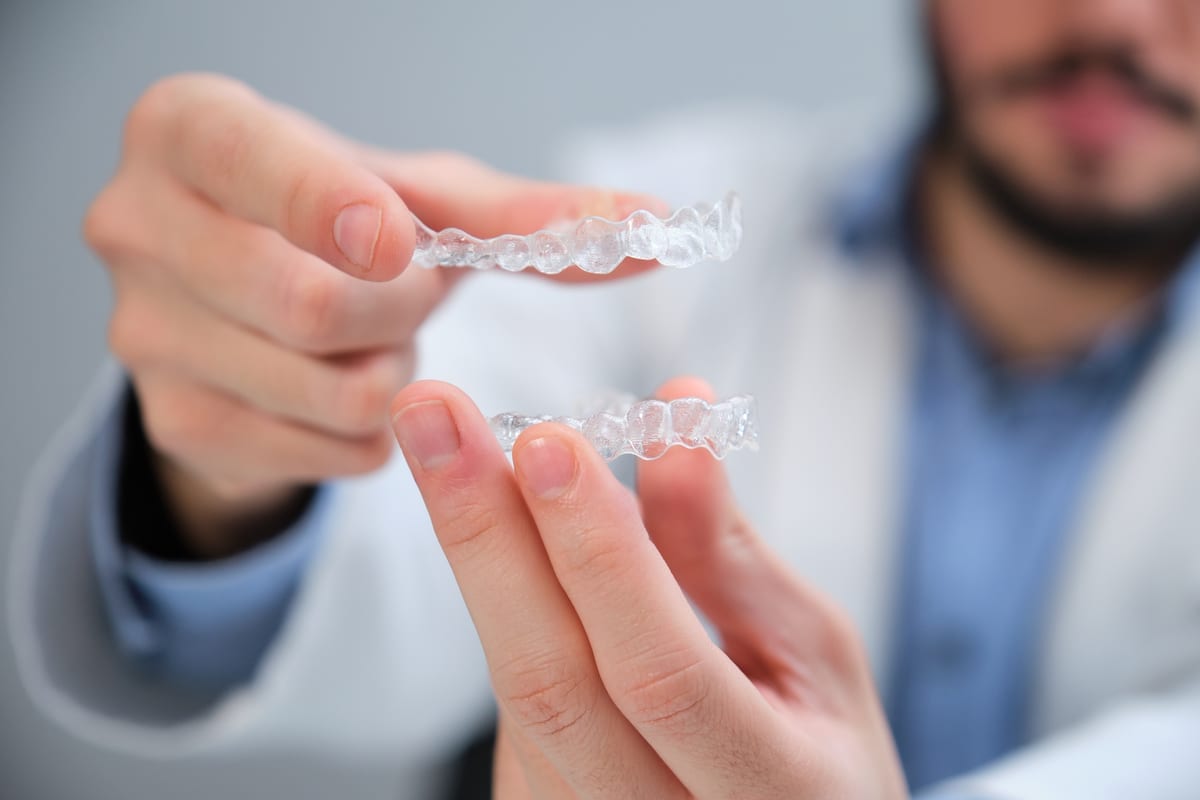
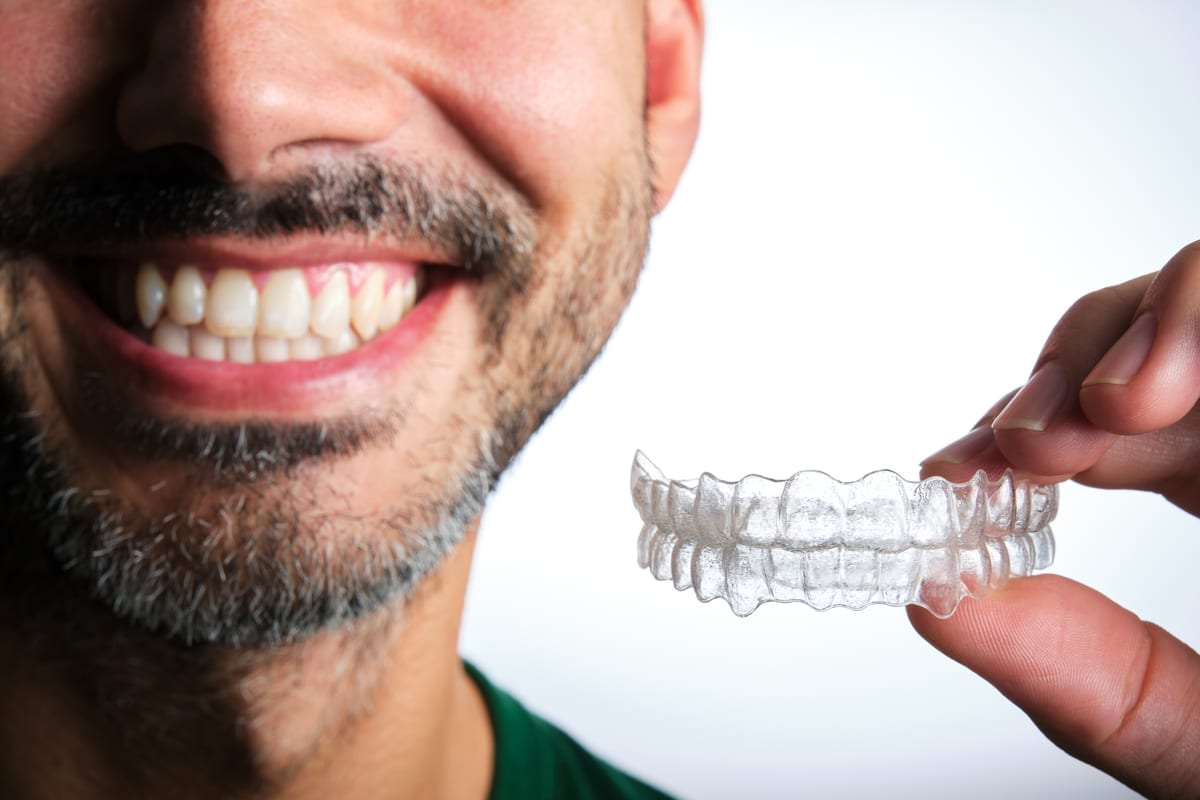
- Clear removable retainers: These look very similar to Invisalign aligners. They are discreet, comfortable, and easy to use at home.
- Hawley retainers: These are the traditional wire-and-acrylic style. They are durable and adjustable if minor movement occurs.
- Fixed (bonded) retainers: A thin wire is bonded behind the teeth. These work continuously without requiring patient compliance.
Many patients who completed Invisalign prefer clear removable retainers. They feel familiar because the experience resembles wearing aligners. However, fixed retainers offer an excellent option for patients who are concerned about forgetting to wear a removable device.
In some cases, Dr. Marquez may recommend a combination approach. A fixed retainer on the lower arch paired with a clear removable retainer on the upper arch gives patients comprehensive protection.
Making Retention a Habit That Sticks
The patients who maintain their Invisalign results longest all share one thing in common. They built retainer wear into their nightly routine early on. It became as automatic as brushing their teeth before bed.
A few practical strategies make this easier:
- Store your retainer case on your nightstand as a visual reminder
- Put your retainer in immediately after brushing each night
- Set a phone reminder for the first few weeks until the habit forms
- Clean your retainer daily to keep it fresh and hygienic
- Bring your retainer to every dental visit so Dr. Marquez can check its fit
Life gets busy. It is easy to fall off track. But the consequences of skipping retainer wear can undo years of careful alignment work. Treating your retainer with the same priority as the aligners themselves makes all the difference.
If your retainer feels tight after a period of inconsistent wear, contact Best Smiles Glen Allen right away. A tight retainer is an early warning sign. Addressing it quickly can prevent larger problems from developing.
Protecting Your Smile for the Long Term in Glen Allen
Completing Invisalign is a genuine achievement. You invested time, effort, and dedication into transforming your smile. Retention is simply the final commitment that locks in everything you worked for.
Dr. Rhina Marquez and the team at Best Smiles Glen Allen are here to support you through every phase — not just treatment. From your first consultation through every follow-up visit, we make sure your results stay exactly where they belong.
Your smile deserves to last a lifetime. With the right retention plan, it absolutely can. Book Now to schedule your appointment with our team.
Frequently Asked Questions
How soon after finishing Invisalign do I need to start wearing a retainer?
You should start wearing your retainer immediately after your final Invisalign tray. Even a short gap of a few days can allow teeth to begin shifting. Dr. Marquez typically provides your retainer at or shortly after your last aligner appointment so there is no interruption in your results.
Will my retainer feel uncomfortable after Invisalign?
Most patients find clear retainers very comfortable because they feel similar to wearing aligners. Some mild pressure is normal when you first put in a retainer after a period of not wearing it. If the discomfort is significant or the retainer does not fit, contact Best Smiles Glen Allen to have it evaluated.
Can I just wear my last Invisalign tray as a retainer?
This is a common question, but it is not recommended. Your final aligner was designed for active tooth movement, not long-term retention. It may not provide the precise fit needed to hold teeth in their final corrected position. A custom retainer made from your finished smile will give you much better long-term results.
What happens if my retainer breaks or is lost?
Contact Best Smiles Glen Allen as soon as possible if your retainer breaks or goes missing. Do not wait. The longer you go without one, the greater the chance of unwanted shifting. Dr. Marquez can take new impressions and have a replacement retainer made quickly to protect your results.
Is retention after Invisalign really different from retention after braces?
The underlying biology is identical. Teeth move after any orthodontic treatment if retainers are not worn consistently. The type of retainer may differ, but the commitment required is the same. Whether you completed Invisalign or traditional braces, long-term retainer wear is essential to keeping your smile in its corrected position.